Tabletop Trends: Shape shifting plates
Shape shifting plates
We asked three tableware suppliers to give us their take on the popularity of asymmetrical shapes – and what dealers and their customers need to know in terms of selecting and looking after them. Richard Eaton is design director at Denby, Mark Hogan is commercial director of FEM, and Jim Ellis is sales manager at Zodiac. Here are their thoughts.
What shapes are trending?
Jim: Organic and natural shapes are certainly having a moment. People seem to be moving away from those very perfect, uniform pieces and gravitating more towards things that feel a bit handmade — slightly irregular rims, softer shapes, that kind of thing. Earthy colours are big too, lots of terracottas, warm browns, sandy and clay tones. Texture-wise, grainy and unfinished surfaces are really popular. That raw, tactile feel rather than anything too polished or glossy. Matte finishes are everywhere as well, which all ties in with that whole natural, earthy look.
Mark: There’s a move towards more natural, organic shapes, with irregular edges, softer lines and a more handcrafted feel, creating a casual, more relaxed dining experience and allowing chefs to present food in a less structured way. There’s still strong demand for classic or conventional pieces that feel clean and professional, but with subtle curves rather than sharp, rigid lines. Traditional round and rectangular plates are being updated with thinner profiles, muted tones and matte finishes.
Richard: Coupe plates have been very much in vogue. A flat, bold plate which is very functional, the regular round rimless shape historically has a gentle curve. Recently we’ve seen a trend for a slightly different coupe plate, still flat-bottomed but with straight sides which are more angular and modern.
Asymmetrical plates work well when plates are layered – such as putting an asymmetrical plate on a conventional round larger plate, which creates a frame. I think asymmetrical shapes look better when you have regular shaped pieces on the table, bringing a point of difference. It makes the asymmetrical shape look even more as asymmetrical! It’s about creating a statement.
Why are asymmetrical shapes popular?
Richard: They bring character to a piece, especially if people like the rustic look. Usually made in stoneware, we associate things that look natural, are slightly wobbly and not perfectly round as being a handmade piece. I think asymmetrical shapes are popular because they are an easy way to create drama and styling on the table.
Mark: These shapes make dishes look interesting, and give chefs more freedom with plating, which suits current trends like sharing plates and social media-friendly presentation. They are a way of offering something visually different while still keeping the durability and consistency needed for professional kitchens.
Jim: That whole Scandi minimalist look that's so popular in hospitality — raw materials, simple aesthetics, nothing too fussy — asymmetrical tableware fits right into that world. Social media has played a big part too. There's a whole aesthetic around natural, simple, understated table styling that's really taken off, and it pairs perfectly with the move towards raw, vegan and organic food. When your food is fresh, plant-based and honest, you want a plate that feels the same way — not something that looks too polished or manufactured. It all kind of works together as one big trend really — the food, the setting, the tableware all telling the same story.
What sort of dishes really lend themselves to irregular shapes?
Mark: Dishes with layers, textures, or vibrant colours. Small plates and starters, tapas or tasting portions work well, as do grazing boards and sharing plates. These types of plates give chefs a creative flare. Asymmetric plates are also great for equipment demos, where you are showcasing versatility, such as showing the different types of dishes that can be created from a piece of cooking equipment.
Jim: When presentation matters, asymmetry gives so much more to play with — it stops the plate feeling like just a backdrop and makes the whole thing feel a bit more considered and special. Plant-based dishes, grain bowls, anything fresh and natural just looks right at home on an irregular shaped plate. Desserts are another area where these shapes really shine.
Richard: I think serving dishes are the best pieces for asymmetrical styling. Asymmetrical platters look great and can be multi-purpose, serving as large plates or trays. There are many asymmetric designs available which can look really impactful, so restaurateurs can experiment with characterful pieces.
What advice should dealers give customers about looking after unconventionally shaped plates?
Mark: Unconventionally shaped plates can look stunning but need a little extra care. Handle them gently to avoid chips, stack with soft liners or separators, and avoid sudden temperature changes.
Richard: With special pieces, staff tend to look after them and if the opportunity is there to handwash them rather than load them in industrial dishwashers, that could be recommended. Having said that, if the stoneware is from a reputable manufacturer it should be dishwasher safe. If you do decide to use the dishwasher, be conscious that it's a special piece and load it according.
Jim: Because of their irregular shapes, these plates don't stack as neatly as conventional pieces. They're more vulnerable to chipping and scratching, so handle with care.
What are the key pros and cons of unconventional shapes
Jim: They are ideal for restaurants that have a real story or philosophy behind their food. Where a chef is trying to communicate something about where the ingredients came from or how they were grown, an organic shaped plate becomes part of that conversation rather than just something functional underneath the food.
Richard: The biggest ‘pro’ is the design aesthetic. Unconventional shapes bring character and styling to the table and if restaurants are looking for something out of the ordinary, and a way of creating art for the table to complement fine food, they create impact. The main ‘cons’ are thinking through special storage solutions and ensuring staff know the strategy for care and washing.
Mark: They offer a lot of visual impact, letting chefs plate creatively and giving dishes a modern, artisanal presentation. They help restaurants and demos stand out and make food look more striking. On the flip side, uneven rims can be more fragile, stacking and storage need care, and they can be less practical for high-volume kitchens.
We asked our three contributors to highlight products they think epitomise the asymmetric trend. Here are their answers – check out the carousel for pictures and click on the name for the website link.
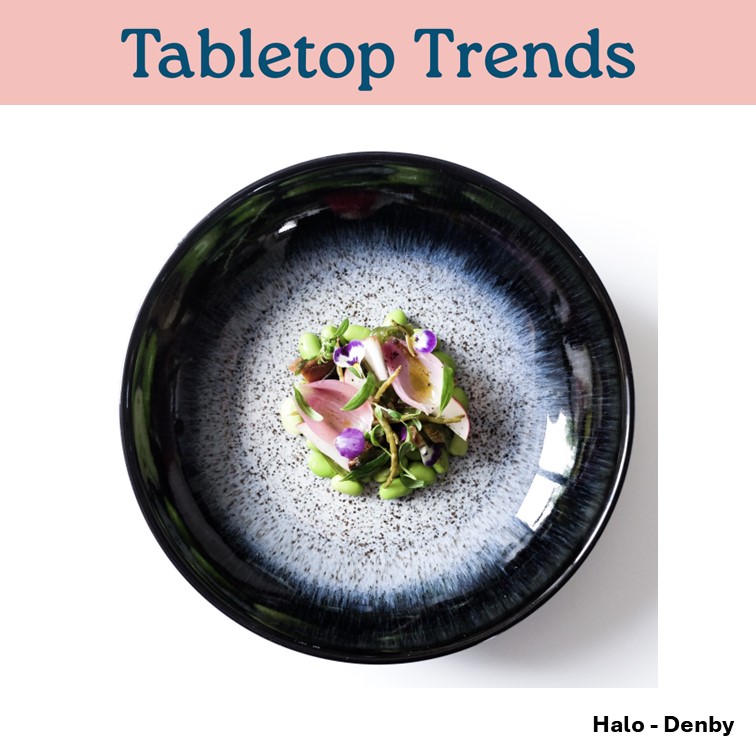
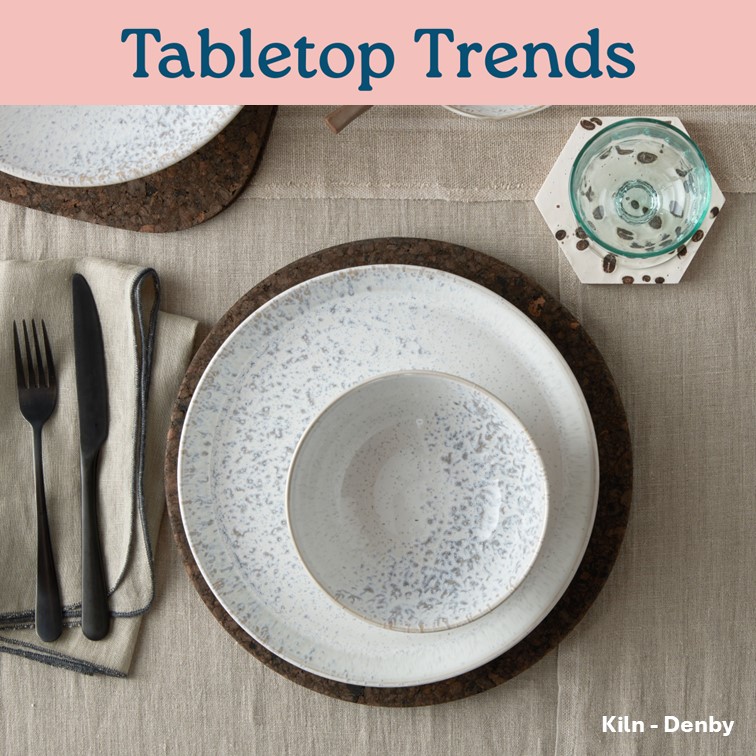
Halo & Kiln offer a very different aesthetic but are both inherently suitable for hospitality and are glazed by hand, making each piece unique. Denby’s twice-fired, locally sourced stoneware clay makes its ceramics super tough and so it can go in the dishwasher, microwave, freezer, oven and air fryer up to temperatures of 250⁰C. Fully vitrified, Denby ceramics are rigorously tested to tough industry standards and perform extremely well against hospitality criteria without distracting from their beauty.
FEM:
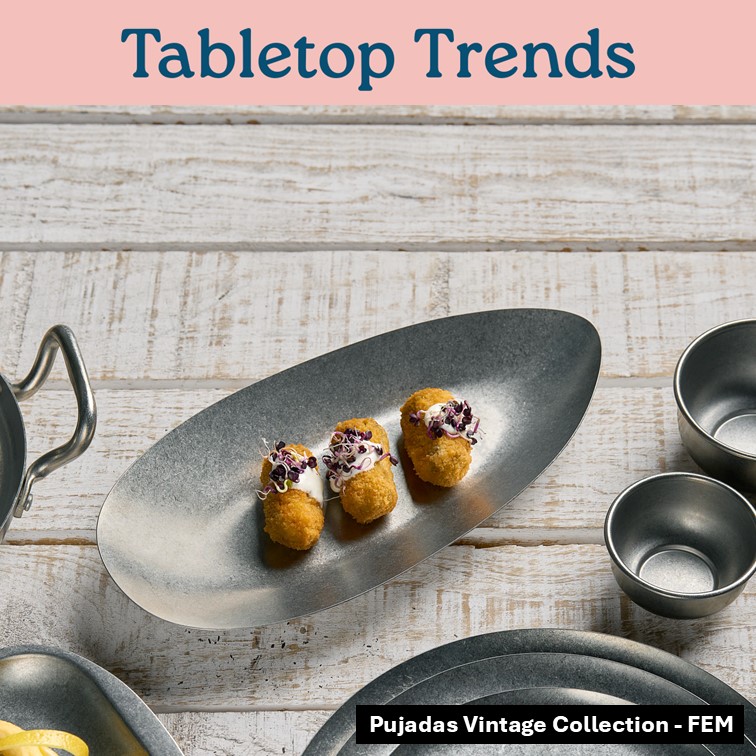
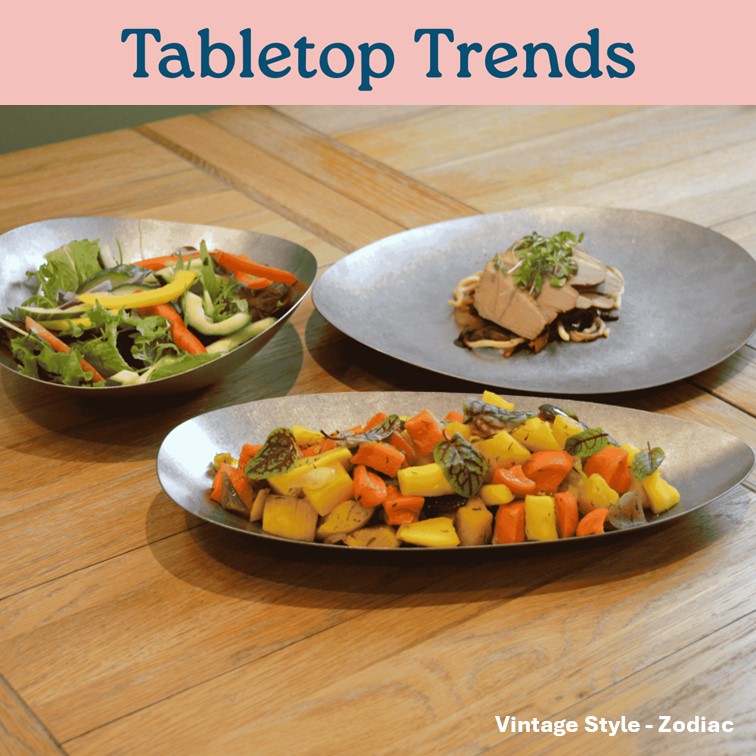
Pujadas’ new Vintage Tabletop Tableware, launching in 2026, stands out for its wide variety of pieces, including plates, bowls, round and oval saucepans, sauce boats, and platters, all designed in both classic and more expressive shapes. The combination of round, oval, and slightly unconventional forms allows chefs to plate creatively, whether for small starters, sharing boards, or full main courses. Made from durable stainless steel with an elegant vintage finish, each piece is dishwasher safe and offers a timeless, attractive aesthetic.
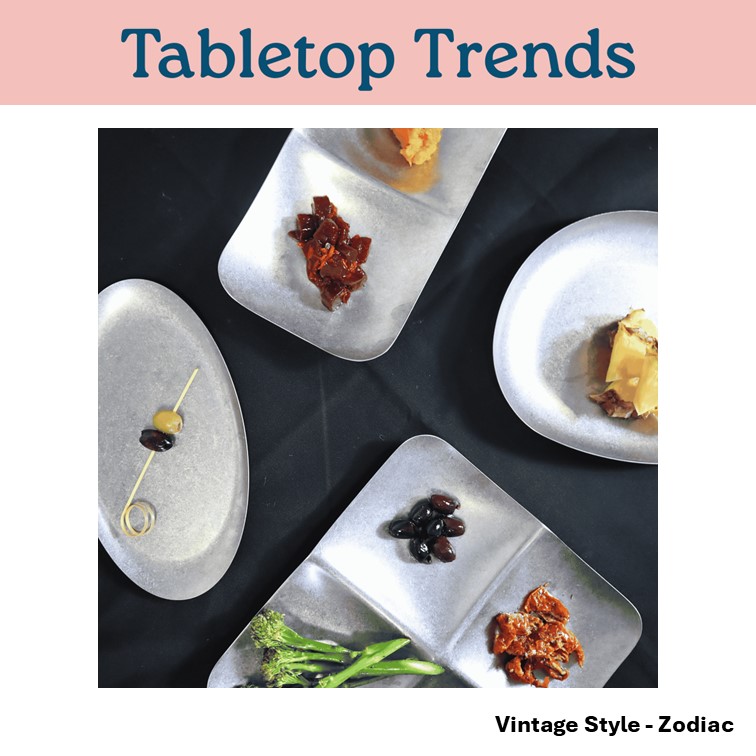
Our Vintage Steel Tableware Collection manages to feel both contemporary and timeless at the same time. The abstract shapes and snowflake grey finish give it a really distinctive look that works beautifully across all kinds of settings. Made from high-quality 304 stainless steel, it's built to last. For anyone looking to add something a little unexpected and artistic to their table, this collection is well worth a look.